



Space · Article
NASA Launches Curiosity Mars Rover in 2011, Looking for Signs of Past Life
VOA 한국어 홈페이지 ·
At a glance
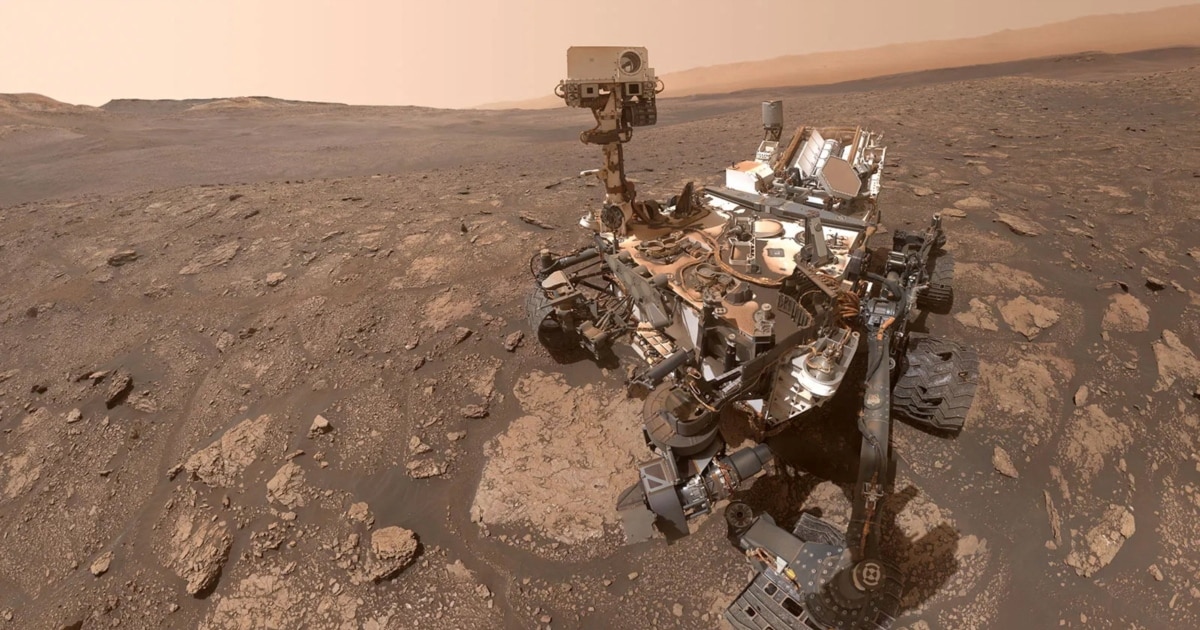
On this day in 2011, NASA launched the Curiosity rover to explore Mars. The rover was the largest and most capable Mars explorer sent up to that point.
Key points
- NASA launched the Curiosity rover from Florida on an Atlas 5 rocket in 2011.
- Curiosity is about 3 meters long and weighs about 900 kilograms, roughly the size of a small car.
- It landed in Gale Crater in August 2012, using a sky crane to lower it safely to the surface.
- Its main goal was to find out whether Mars had ever had environments suitable for microbial life, and it found signs of ancient rivers and lakes.
Why it matters
The mission greatly improved our understanding of whether Mars once could support life, and it paved the way for later Mars rovers.'
Original source
NASA 화성 탐사 로버 '큐리오시티' 발사…투탕카멘 무덤 내부 최초 확인
VOA 한국어 홈페이지 · Nov 26, 01:33 KST
Read on VOA 한국어 홈페이지 ↗AI summarized the original article. Check the original for accuracy. Copyright belongs to VOA 한국어 홈페이지.
More from this field
- First Images Show the Crater DART Left on Asteroid Dimorphos
This video by Scott Manley looks at new images of the asteroid pair Didymos and its moon Dimorphos after NASA's DART mission. It covers the crater left on Dimorphos and the ESA Hera spacecraft that is heading back to study it.
Scott Manley · Nov 26, 04:20 KST - MaiaSpace Ships Maia Rocket Mechanical Models to Guiana Launch Site
MaiaSpace has shipped full-size mechanical models of the first and second stages of its Maia rocket to French Guiana. They will be used for combined tests at the Guiana Space Centre in the first half of 2027.
European Spaceflight · Nov 26, 03:51 KST - FCC Approves SpaceX Plan for 1 Million Orbital Data Center Satellites
The US Federal Communications Commission (FCC) has approved SpaceX's plan to launch up to 1 million Starmind satellites that would act as data centers in orbit. If fully built, the group would raise the number of satellites in orbit about 50 times. The approval is conditional, and the FCC did not settle whether space data centers actually work or make financial sense.
Ars Technica · Nov 26, 03:22 KST - Robots for Moon and Orbit Work Could Also Help Industries on Earth, IROS 2026 Panel Says
A plenary panel at IROS 2026 in Pittsburgh brought together speakers from NASA, JAXA and academia to discuss how robots will work on the Moon and in orbit. They covered tasks ranging from unloading cargo to collecting samples from Phobos and removing space debris.
Robohub · Nov 26, 01:36 KST