



NASA
S · ឈានមុខគេNASA is an independent agency of the United States federal government that oversees the nation's civil space program and aeronautics and space research. It conducts Earth observation, solar system exploration, and astronomy research using space telescopes, and it runs the Artemis program.
- #space-agency
- #science
- #human-spaceflight
- #exploration
- of 19 space companies and institutions
- #2
- សន្ទស្សន៍ LastAI
- 50.4
- ការវាយតម្លៃរបស់អ្នកប្រើប្រាស់
- —
- ការបោះឆ្នោត
- 0
- ចំនួនមើល
- 0
បច្ចេកវិទ្យា និងផលិតផលដែលពាក់ព័ន្ធ
វាយតម្លៃវាដោយខ្លួនអ្នក
ការបោះឆ្នោត 0 · ★ 0.0 (0)
ចូលដើម្បីបោះឆ្នោតនិងផ្តល់មតិយោបល់បច្ចុប្បន្នភាព
NASA said it received a radio signal from Voyager 1, a spacecraft about one light-day from Earth. Voyager 1 is the farthest human-made object from Earth.

NASA received radio signals sent from Voyager 1, which is about one light-day away, through its deep space communication network in Madrid, Spain, according to Reuters.

Jeonbuk Office of Education will hold an event on the 21st to share results from the 2026 NASA Global Camp. Sixteen third-year middle school students who joined the 7-night, 9-day trip to Huntsville and Washington, D.C. in October will report on what they learned. The camp included space mission simulations and visits to aerospace museums.
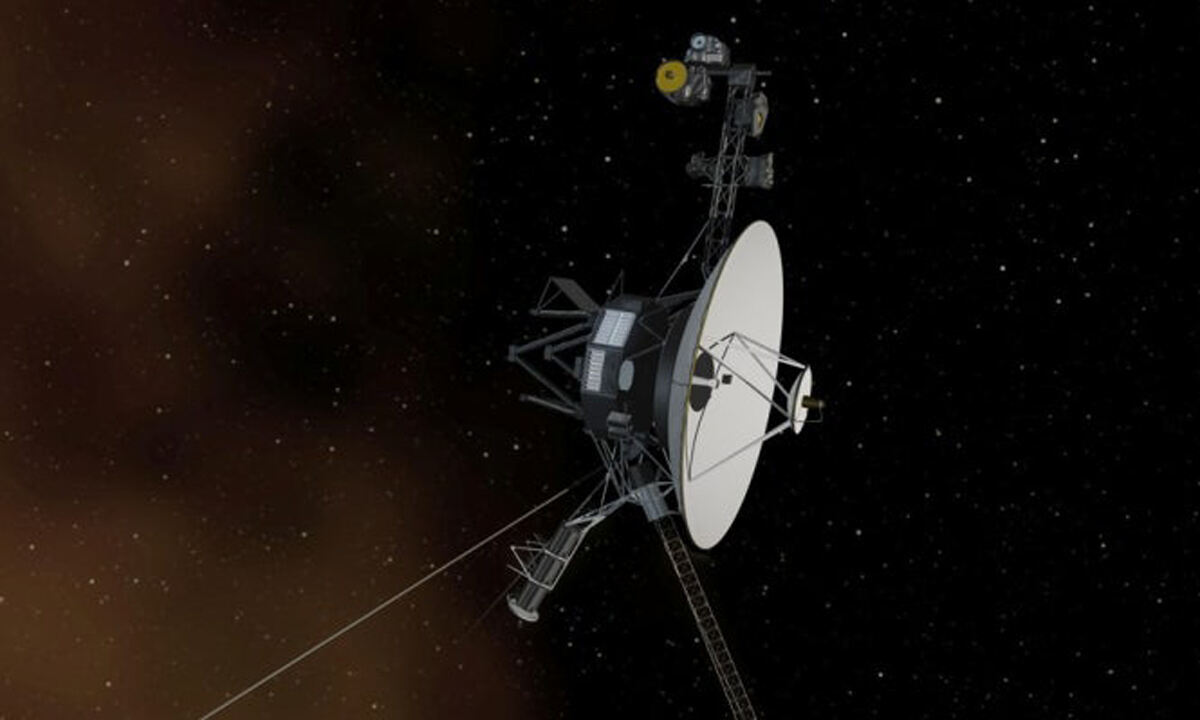
NASA confirmed that Voyager 1 has passed the one light-day mark, about 26 billion km from Earth. Its radio signal took a full day to reach Earth through NASA's deep space network. The probe is still flying at about 61,000 km per hour, collecting data on solar storms and high-energy particles.
Korea Aerospace University held its Boeing Day event, with 73 teams, 10 teams advancing to the finals, a NASA-Boeing tour, and scholarship awards.
Korea Aerospace University held its Boeing Day event, with 73 teams, 10 teams advancing to the finals, a NASA-Boeing tour, and scholarship awards.

Voyager 1, the human-made object farthest from Earth, has passed one light-day away, about 26 billion km out. A signal from it now takes a full day to reach Earth. NASA's Deep Space Network in Madrid received its radio signal, and the probe is still sending data while its power is running low.

NASA said it received radio signals from Voyager 1, the human-made object farthest from Earth, traveling from about one light-day away.

NASA received radio signals from Voyager 1, which is about one light-day away from Earth. The signal is a message sent from the spacecraft.
Voyager 1, the spacecraft launched in 1977, has lost data contact again, about 25.9 billion km from Earth. Its radio signal still reaches Earth, but the science data and spacecraft status information are missing.
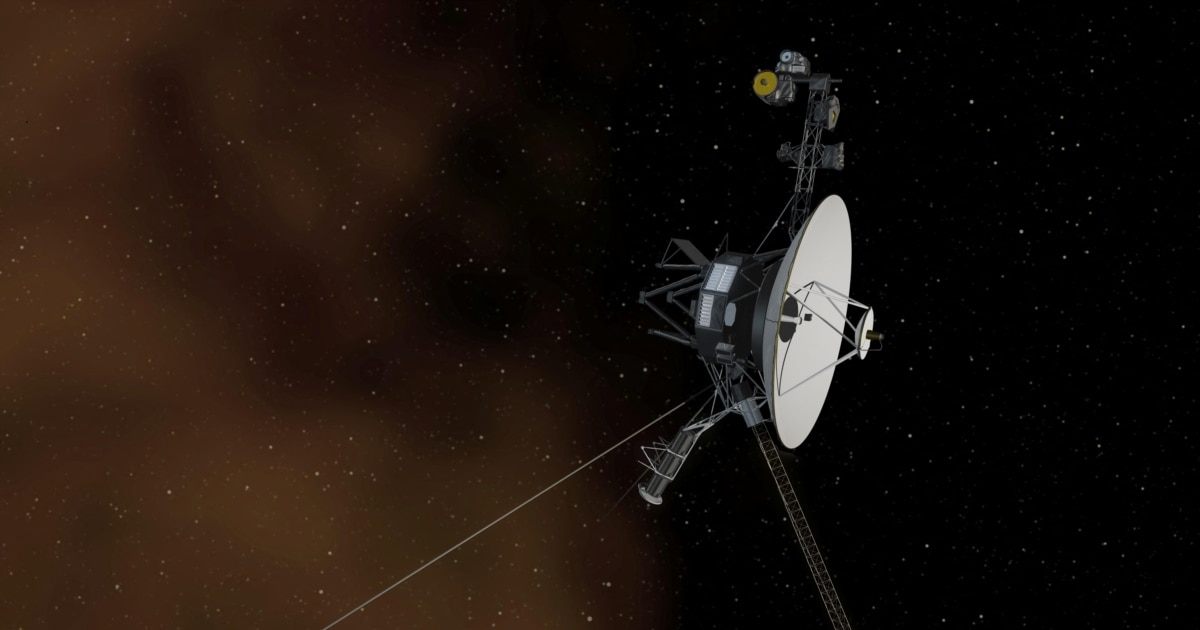
NASA's Voyager 1 spacecraft has become the first human-made object to travel one light-day from Earth, a distance of about 25.9 billion kilometers. The milestone was reached on November 18, 49 years after the probe launched in 1977. The probe is still sending basic signals, but it has not sent science or equipment data since November 14, and NASA is investigating the cause.
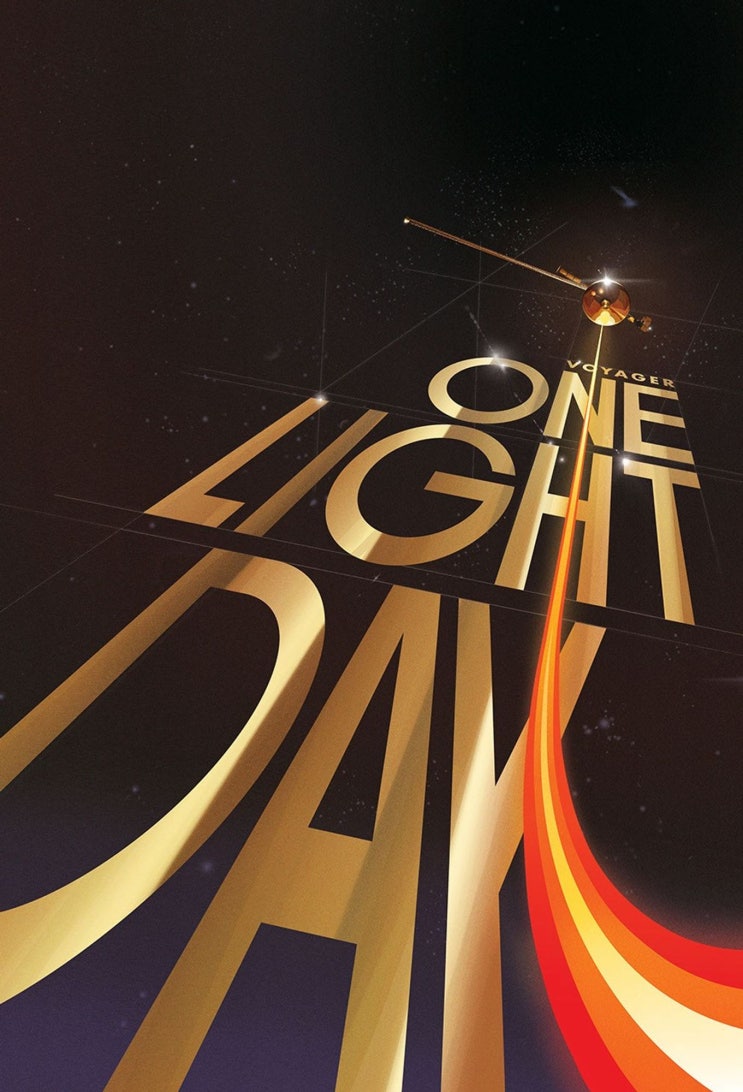
NASA's Voyager 1 probe reached a distance light takes one day to cover, about 25.9 billion km from Earth, on November 18. It is the first human-made object to get that far. The probe has also had a data problem, with radio signals arriving but no science data.

NASA, Germany, and Canada are jointly developing a greenhouse that could let astronauts grow vegetables on the Moon. They plan to build test models first and decide by 2032 whether to build one on the Moon.
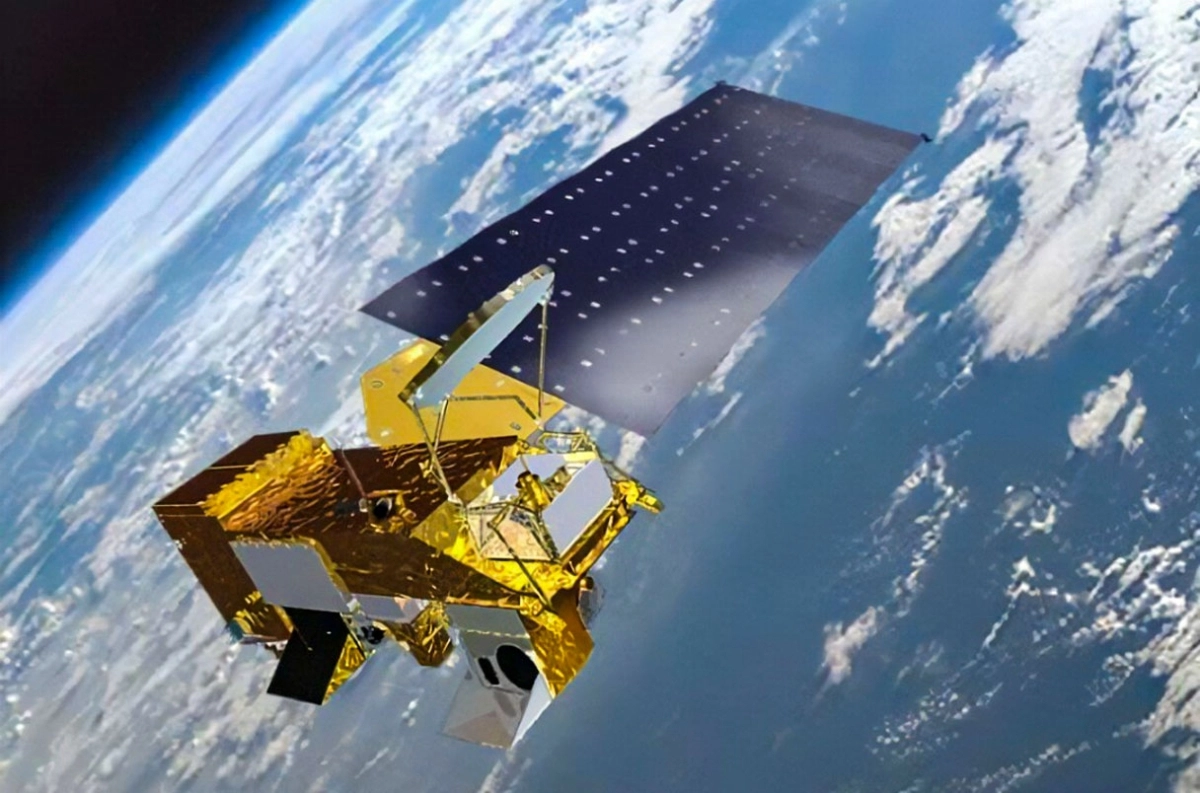
NASA's Terra Earth-observing satellite is ending its 27-year mission. Launched in 1999, it orbited Earth more than 100,000 times and tracked changes in the air, land, oceans, and plant life. NASA plans to stop collecting data next month and shut the satellite down in January 2027.
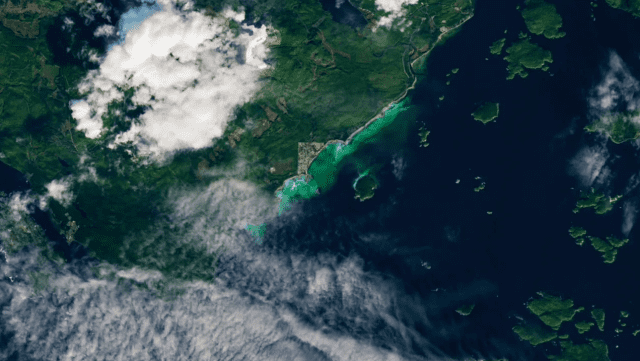
A NASA Earth-observing satellite spotted a green cloud about 7 kilometers long off Vancouver Island's Salmon Beach in Canada earlier this year. Live Science reported that the cloud is milt, the sperm released by Pacific herring during their mass spawning.
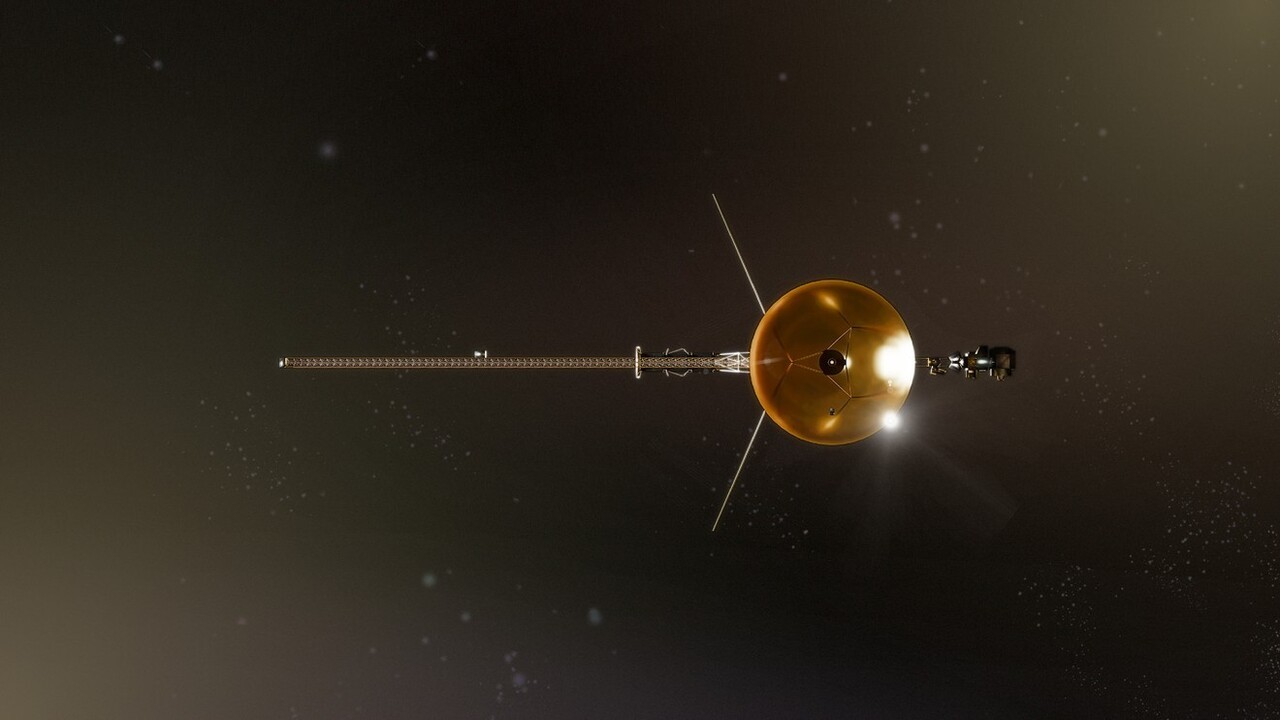
NASA's Voyager 1 probe reached a point 1 light-day from Earth, about 25.9 billion km away, on the 18th at 5:16 a.m. Eastern Time. This is said to be the first time humanity has reached that distance.
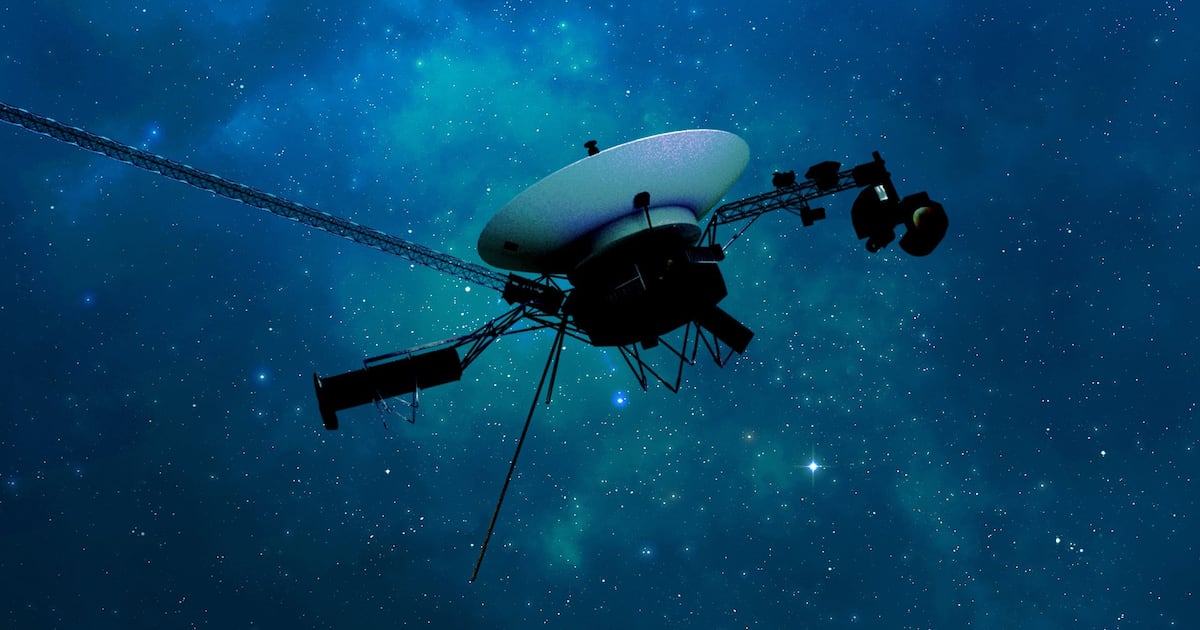
Voyager 1, launched in 1977, has reached a point 25.9 billion kilometers from Earth, about one light-day away, after 49 years of travel. It marks a new milestone in exploring the solar system.

NASA's Voyager 1 probe, launched in 1977, is about to become the first human-made object to be one light-day from Earth. Light takes a full day to cover that distance, and the probe is still sending data home after 49 years. Commands and replies take at least two days round trip.

Security firm Calif used OpenAI's new model to find a serious flaw in Java, a language used by banks, hospitals, and governments. The flaw could let attackers take over systems remotely without logging in. Oracle released a patch the same day, and Korean agencies urged urgent checks.
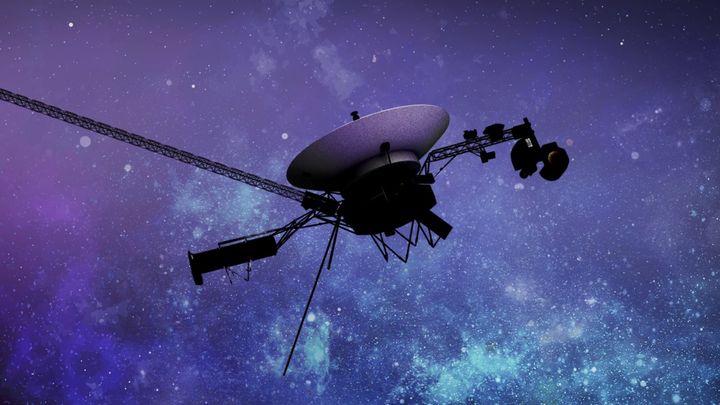
NASA's Voyager 1 probe, launched in 1977, has reached a point 1 light-day from Earth, about 25.9 billion km away. It is the first human-made object to get this far. Sending a command and getting a reply takes 48 hours round trip.
អ្វីដែលអ្នកប្រើប្រាស់និយាយ
មិនទាន់មានមតិយោបល់ទេ។
ភស្តុតាងនៅពីក្រោយពិន្ទុនេះ
ភស្តុតាងរឹងមាំ- Public attentionទម្ងន់ 30
72,230 views in 30 days · NASA ·
Check on Wikimedia Pageviews - Flagship productទម្ងន់ 25
Flagship index 34.7
- ការវាយតម្លៃរបស់សមាជិកទម្ងន់ 0
មិនទាន់មានការបោះឆ្នោត ឬការវាយតម្លៃនៅឡើយទេ។
ការដកស្រង់និងផ្លាកសញ្ញា
កូដយោង និងផ្លាកសញ្ញា
LastAI · v1.3 · · សំណុំទិន្នន័យ Snapshot

NASA · ចំណាត់ថ្នាក់ក្រុម #2 · សន្ទស្សន៍ LastAI 50.4 (2026-11-20) · https://lastai.org/rankings/index.json?date=2026-11-20
ជ្រើសរើសអត្ថបទដើម្បីចម្លងវា។
<a href="https://lastai.org/en/rankings/nasa"><img src="https://lastai.org/badge/nasa.svg?lang=en" alt="NASA" height="20"></a>
ជ្រើសរើសអត្ថបទដើម្បីចម្លងវា។
[](https://lastai.org/en/rankings/nasa)
ជ្រើសរើសអត្ថបទដើម្បីចម្លងវា។