



Gemini Robotics 1.5
D · ថ្មីGemini Robotics 1.5 is a vision-language-action model used to move robots. It controls many kinds of robots, from desktop robots to humanoid robots. It handles objects with hands and grippers, and it reasons about situations to change its actions accordingly.
- #vla
- #embodied-ai
- #multimodal
- #robot-control
- of 8 robotics products and technologies
- #4
- សន្ទស្សន៍ LastAI
- 8.2
- ការវាយតម្លៃរបស់អ្នកប្រើប្រាស់
- —
- ការបោះឆ្នោត
- 0
- ចំនួនមើល
- 3
ក្រុមហ៊ុន ឬស្ថាប័ន
វាយតម្លៃវាដោយខ្លួនអ្នក
ការបោះឆ្នោត 0 · ★ 0.0 (0)
ចូលដើម្បីបោះឆ្នោតនិងផ្តល់មតិយោបល់បច្ចុប្បន្នភាព
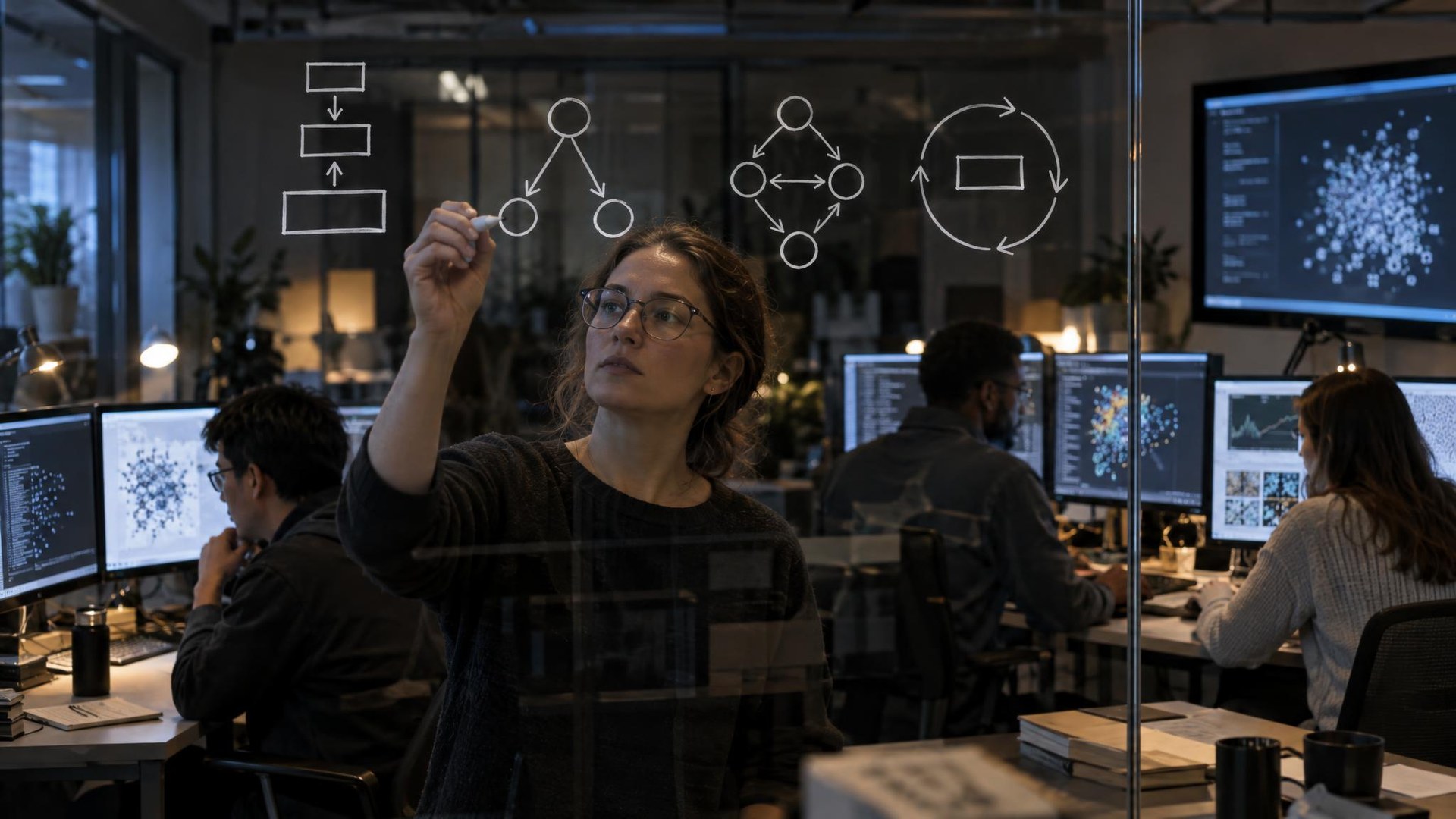
DeepMind Institute published an essay on November 19, 2026, outlining four paths by which AI could grow from human-level general intelligence (AGI) to artificial superintelligence (ASI). It also stressed that rapid progress may continue, but it is hard to be sure.

Professor Hannah Fry talks with Koray Kavukcuoglu, SVP at Google DeepMind and Chief AI Architect at Google, seven years after their last meeting. They discuss how Gemini is being built toward general-purpose intelligence.
Google has launched a new Project Genie for Google AI Ultra subscribers. It adds Genie 4, a real-time virtual world model, along with a Project Genie agent and a community gallery. Users can now change worlds with prompts while exploring them.

This video goes behind the scenes of a Genie 4 film from Google DeepMind. Genie 4 is a world model that generates interactive worlds in real time instead of fixed video.

Google DeepMind introduces Project Genie, a browser tool for creating and exploring interactive worlds with its Genie 4 world model. It works with Gemini so users can turn ideas into worlds they can explore and share.

Isomorphic Labs, the AI drug discovery company spun out of Google DeepMind, raised $5 billion in a Series C round. It plans to move its own drug candidates into clinical trials and expand its AI bioengineering infrastructure.

Google DeepMind released an AI-based global rainfall dataset and a combined satellite imagery dataset, improving detection of light and moderate rain by over 30% compared with existing global rainfall observation data. The data is open to researchers and developers.

Demis Hassabis, CEO of Google DeepMind, reaffirmed that artificial general intelligence (AGI) could arrive around 2030. He warned that society needs to prepare before the technology arrives.

Google DeepMind CEO Demis Hassabis said artificial general intelligence (AGI, AI that can handle many kinds of work like a person) could arrive around 2030. The article argues this timeline pressures companies and investors to change how they spend and organize.

Google DeepMind has released Gemini Robotics 2.5, an AI model that decides how robots move. It aims to let robots work in more situations, from everyday tasks to factory jobs.
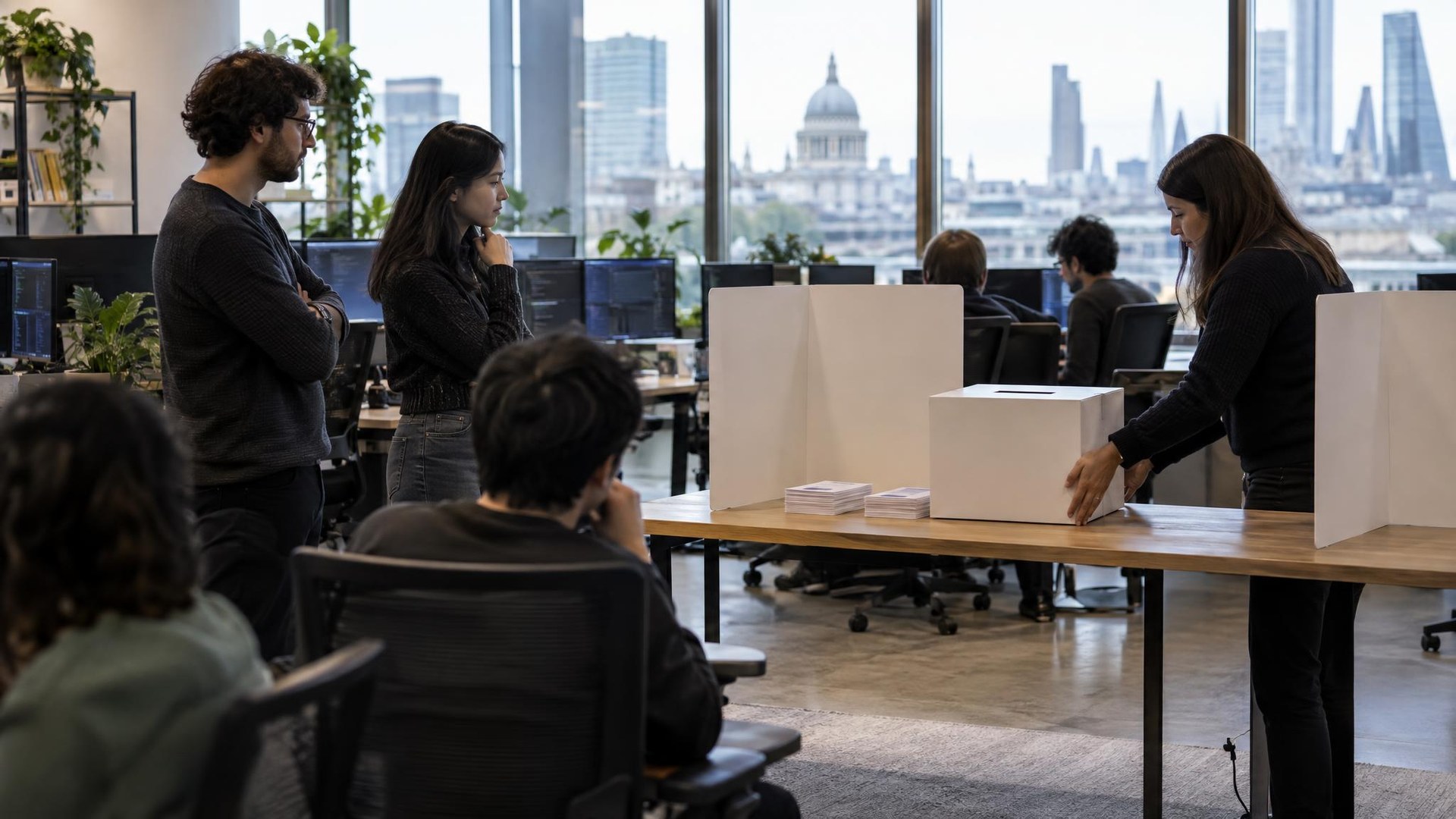
A UK tech union says the government will help run a union ballot at Google UK for Google DeepMind staff. The campaign seeks representation for at least 1,000 London-based workers. No vote date has been set yet.

Google DeepMind has released AlphaGenome 2, an AI model that predicts how DNA variants affect gene activity in specific cells. Unlike the earlier version, which analyzed whole tissues, the new model distinguishes individual cell types and states.
Google DeepMind has released AlphaGenome 2, an AI model that predicts which cells a DNA variant affects through gene activity. It is an update to the first AlphaGenome and learns from single-cell data to reflect differences between cells.
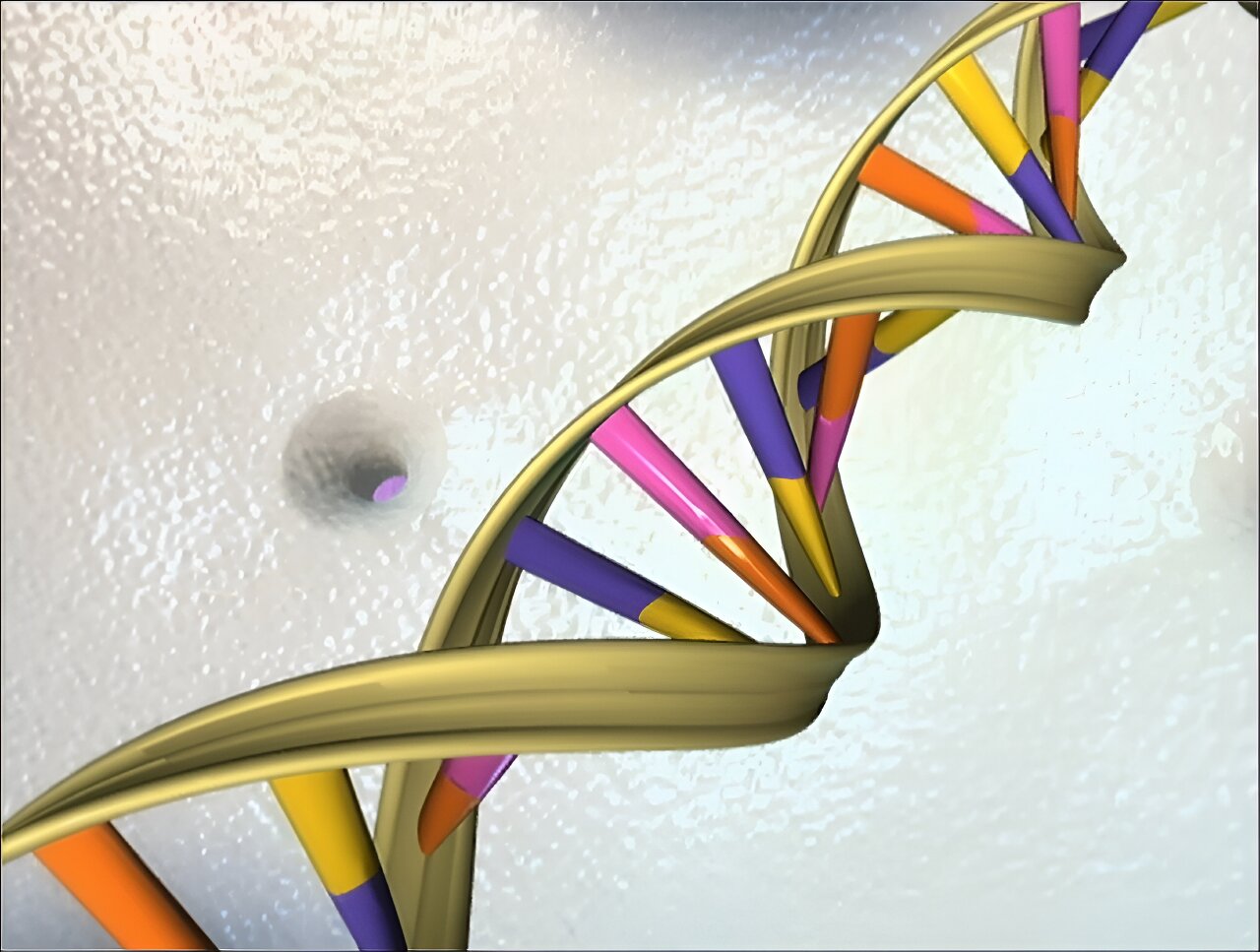
Google DeepMind has released AlphaGenome 2, an AI model that predicts how DNA sequences are read inside human cells. The new model lets users set a tissue or cell type as a condition and predicts variant effects under that condition.

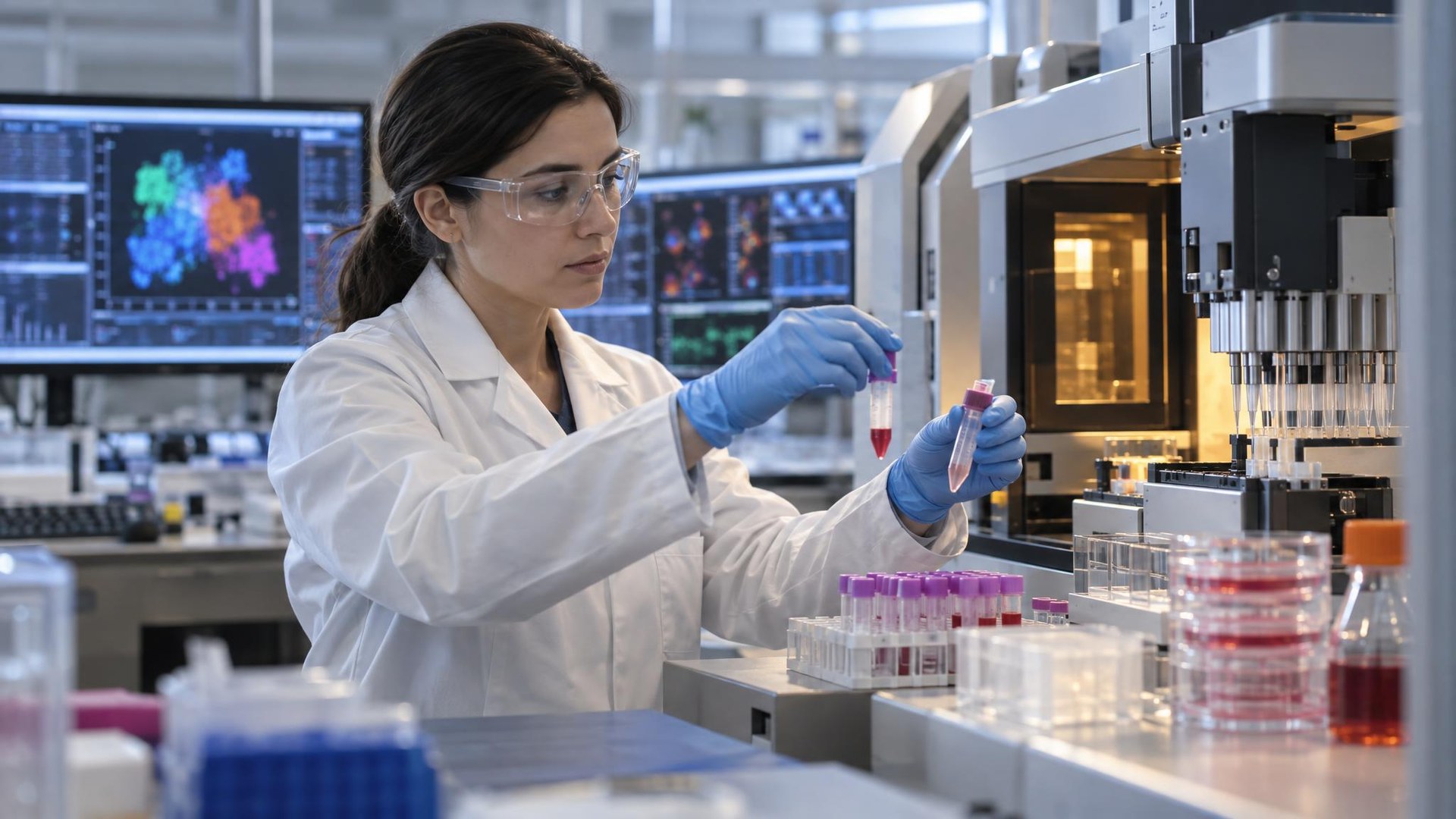
Google DeepMind released AlphaGenome 2 on November 11, 2026. The AI model predicts how DNA variants affect gene regulation in different cell types and states. It is free for non-commercial research, while commercial use is in private preview.

Google DeepMind's AI tool produced a mathematical proof that the encryption code in the Signal messaging app works as promised. An AI agent team finished the work in four weeks, and no new flaws were found.
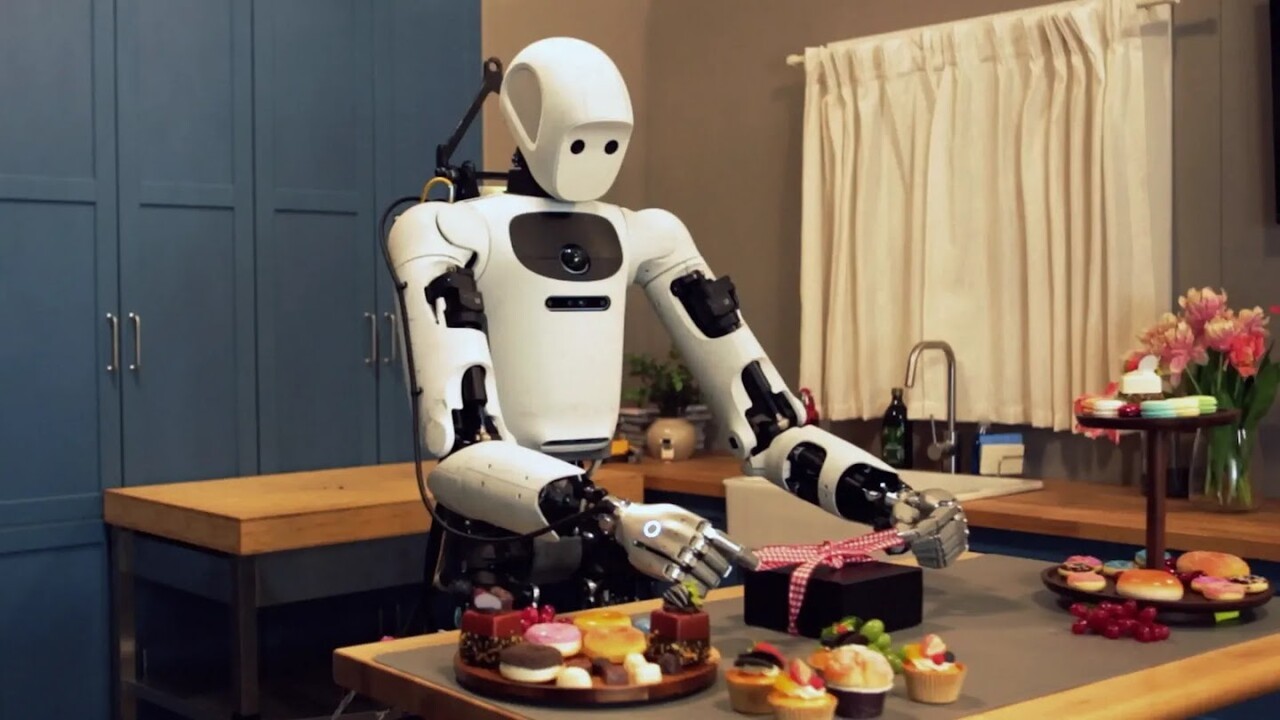
Google DeepMind has released Gemini Robotics 2.5, an AI model that controls robots. In a car factory test, a humanoid robot succeeded in a parts-sorting task 96% of the time. The company says it is still a proof of concept, not ready for full production lines.

Google DeepMind's AI agent AlphaProof Code formally verified core security properties of the Signal messaging protocol at the machine-code level. Formal verification, which uses mathematics to prove that code behaves as specified, has been costly and used only in limited areas until now.
Google's Gemini 2.5 AI has been deployed in robots at Mercedes-Benz plants in Germany and Hungary. The reported success rate for sorting parts is 96%.
អ្វីដែលអ្នកប្រើប្រាស់និយាយ
មិនទាន់មានមតិយោបល់ទេ។
ភស្តុតាងនៅពីក្រោយពិន្ទុនេះ
ភស្តុតាងស្តួចស្តើង- Public attentionទម្ងន់ 25
387 views in 30 days · Gemini Robotics ·
Check on Wikimedia Pageviews - ការវាយតម្លៃរបស់សមាជិកទម្ងន់ 0
មិនទាន់មានការបោះឆ្នោត ឬការវាយតម្លៃនៅឡើយទេ។
ការដកស្រង់និងផ្លាកសញ្ញា
កូដយោង និងផ្លាកសញ្ញា
LastAI · v1.3 · · សំណុំទិន្នន័យ Snapshot

Gemini Robotics 1.5 · ចំណាត់ថ្នាក់ក្រុម #4 · សន្ទស្សន៍ LastAI 8.8 (2026-11-20) · https://lastai.org/rankings/index.json?date=2026-11-20
ជ្រើសរើសអត្ថបទដើម្បីចម្លងវា។
<a href="https://lastai.org/en/rankings/gemini-robotics-1-5"><img src="https://lastai.org/badge/gemini-robotics-1-5.svg?lang=en" alt="Gemini Robotics 1.5" height="20"></a>
ជ្រើសរើសអត្ថបទដើម្បីចម្លងវា។
[](https://lastai.org/en/rankings/gemini-robotics-1-5)
ជ្រើសរើសអត្ថបទដើម្បីចម្លងវា។