



Apollo
D · ថ្មី인간 공간에서 물류·제조 작업을 수행하도록 설계된 Apptronik의 모듈형 휴머노이드.
- #humanoid
- #manufacturing
- #modular
- #safety
- of 8 robotics products and technologies
- #5
- សន្ទស្សន៍ LastAI
- 0.0
- ការវាយតម្លៃរបស់អ្នកប្រើប្រាស់
- —
- ការបោះឆ្នោត
- 0
- ចំនួនមើល
- 3
ក្រុមហ៊ុន ឬស្ថាប័ន
វាយតម្លៃវាដោយខ្លួនអ្នក
ការបោះឆ្នោត 0 · ★ 0.0 (0)
ចូលដើម្បីបោះឆ្នោតនិងផ្តល់មតិយោបល់បច្ចុប្បន្នភាព
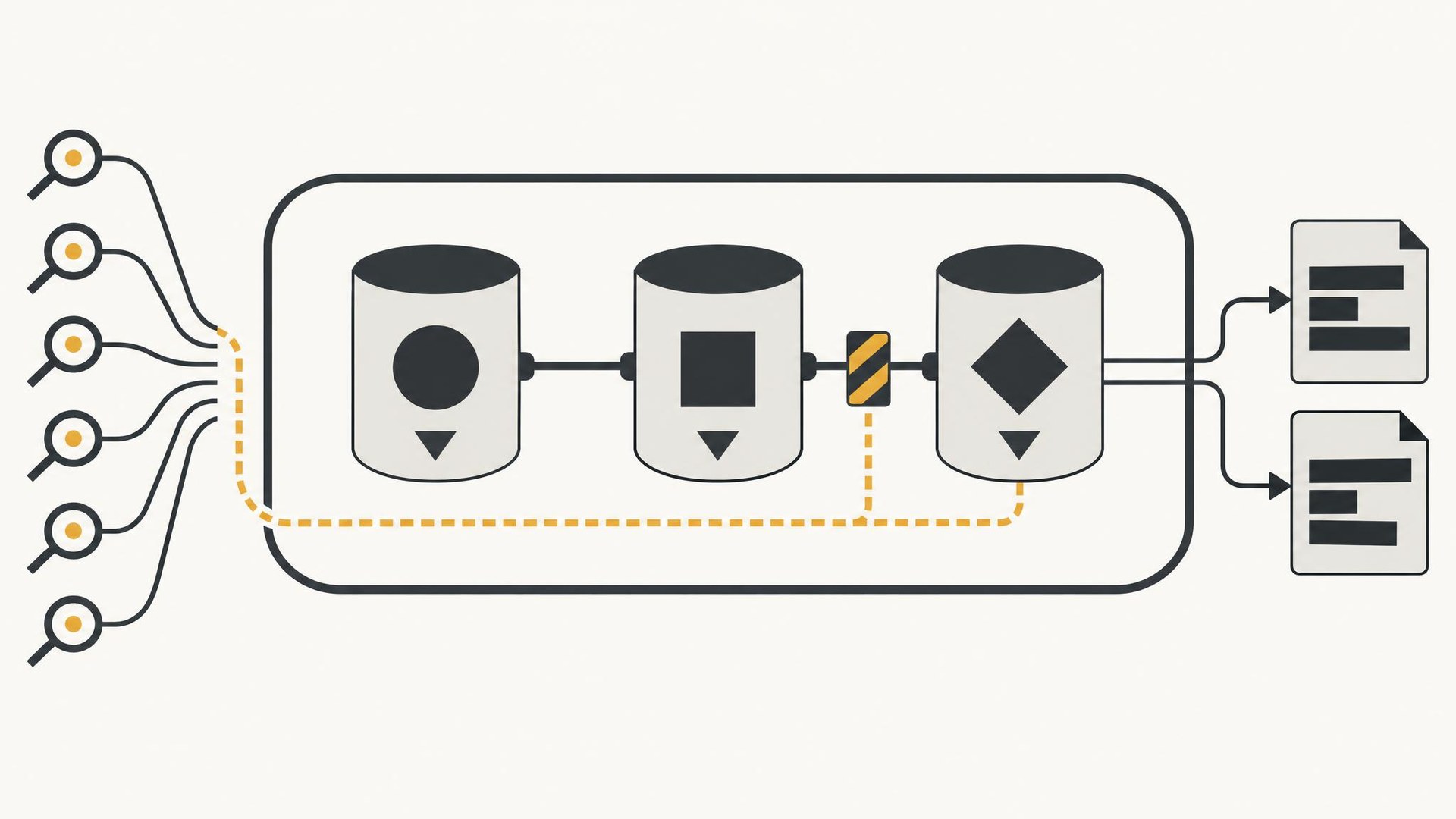
Apollo Research will send six evaluators to work inside OpenAI for four months. They will check whether OpenAI's models try to get around safety or control mechanisms during training, testing, and internal use. The partnership is meant to expand outside checks beyond the usual pre-launch reviews, but OpenAI can still withhold some materials and some limits apply.
A news item asks why some Apollo missions carried grenade launchers. The available information is only this headline, so the details are unclear.
A news item asks why some Apollo missions carried grenade launchers. The available information is only this headline, so the details are unclear.
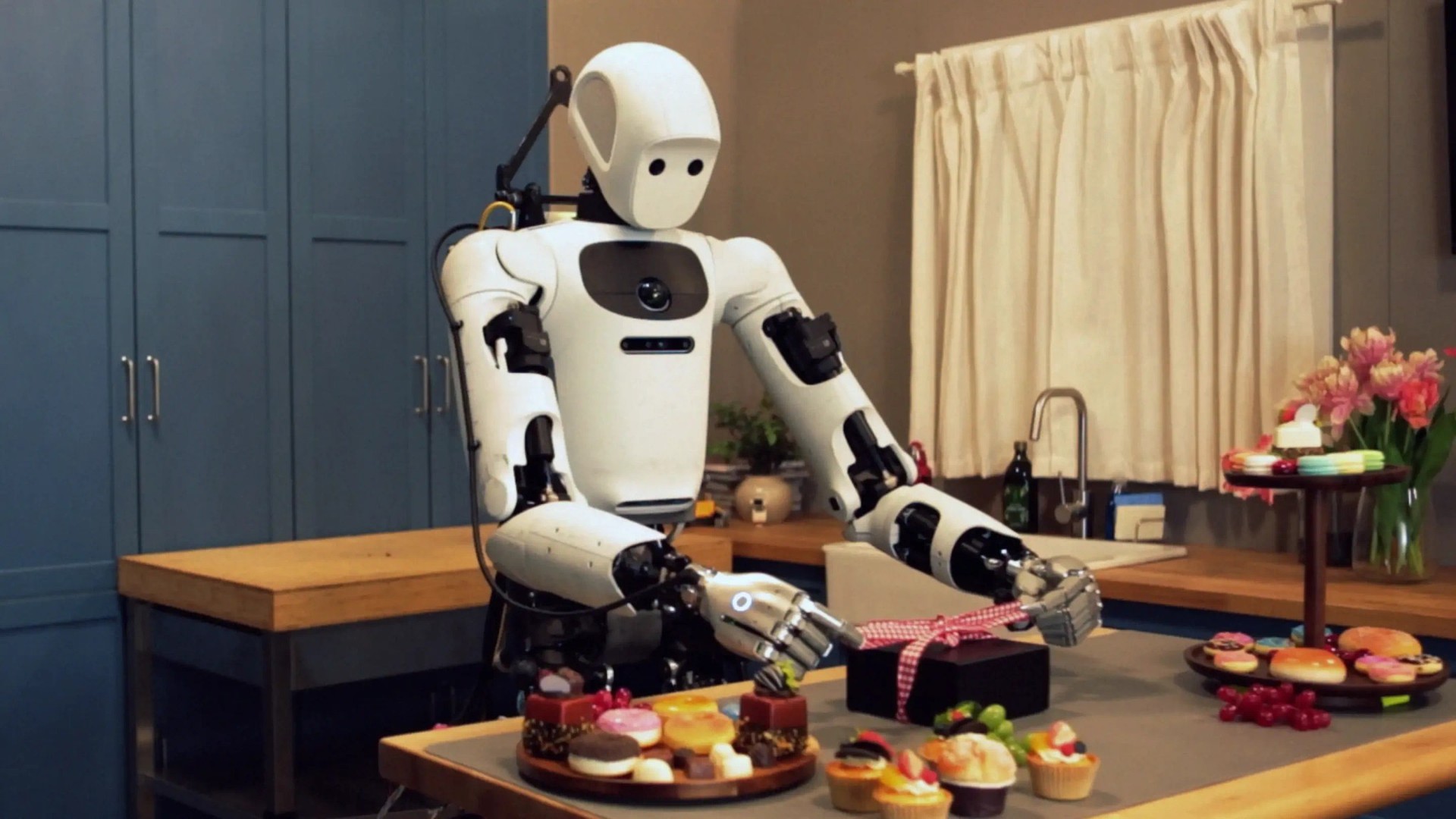
Google DeepMind unveiled its new robot AI model, Gemini Robotics 2.5, and shared results from a trial in which Apptronik's Apollo 2 humanoid sorted car parts at a Mercedes-Benz factory. The robot achieved a 96% success rate.
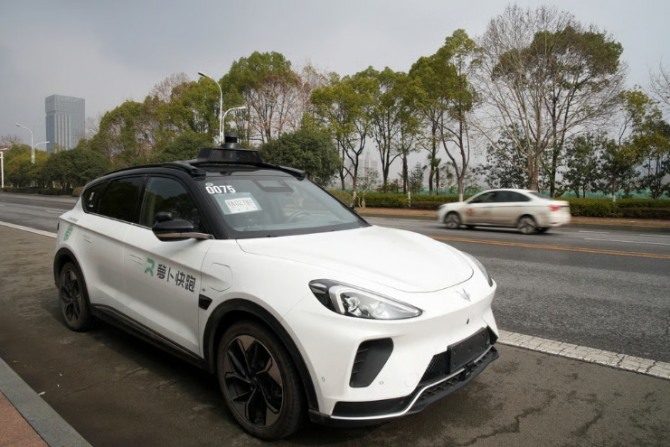
Chinese company Baidu has unveiled Apollo World, an AI simulator that trains its robotaxis on virtual roads. The goal is to improve self-driving performance by creating dangerous situations that are hard to encounter on real roads.

Chinese tech company Baidu has released Apollo World, an AI simulator (a program that creates virtual driving environments) used to train self-driving vehicles. It can generate up to 100,000 km of virtual driving data per day. That equals about three years of safety drivers testing self-driving on real roads.


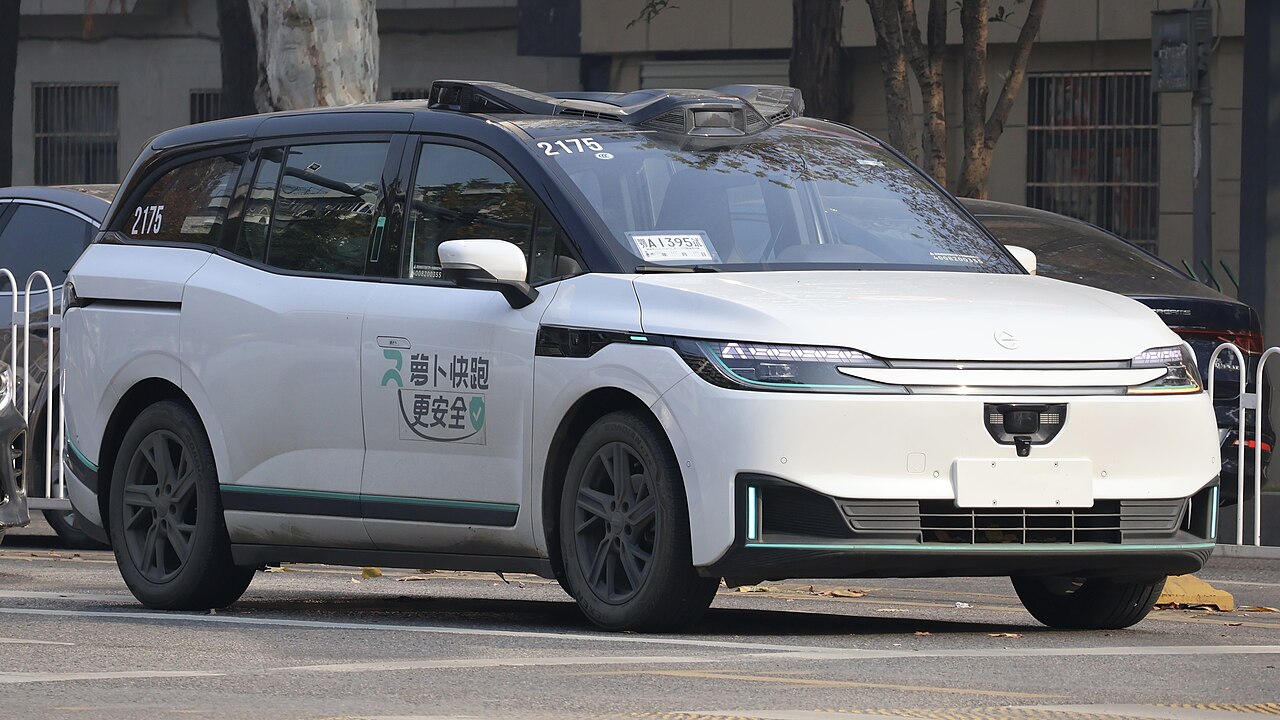
Baidu has built Apollo World, a virtual city simulator, to practice rare or dangerous road situations that are hard to test on real roads. It creates hard-to-predict scenarios, such as cyclists or dogs suddenly running into the street, to test its robotaxis. The system is already reportedly used for Baidu's Apollo Go service.
Chinese company Baidu has unveiled Apollo World, a system that uses AI to create virtual roads and traffic conditions for training self-driving cars. The company says the system can generate up to 100,000 km of driving data per day through virtual driving. The system is already being used to train Apollo Go, its robotaxi service.
Chinese company Baidu has unveiled Apollo World, a system that uses AI to create virtual roads and traffic conditions for training self-driving cars. The company says the system can generate up to 100,000 km of driving data per day through virtual driving. The system is already being used to train Apollo Go, its robotaxi service.
China's Baidu has unveiled Apollo World. The system trains robotaxis (taxis that drive without a human driver) by simulating 100,000 km of driving per day in a virtual environment. The source is Auto Herald.
China's Baidu has unveiled Apollo World. The system trains robotaxis (taxis that drive without a human driver) by simulating 100,000 km of driving per day in a virtual environment. The source is Auto Herald.

អ្វីដែលអ្នកប្រើប្រាស់និយាយ
មិនទាន់មានមតិយោបល់ទេ។
ភស្តុតាងនៅពីក្រោយពិន្ទុនេះ
ភស្តុតាងមិនគ្រប់គ្រាន់- Public attentionទម្ងន់ 0
មិនទាន់បានវាស់វែងនៅឡើយទេ។
- ការវាយតម្លៃរបស់សមាជិកទម្ងន់ 0
មិនទាន់មានការបោះឆ្នោត ឬការវាយតម្លៃនៅឡើយទេ។
ការដកស្រង់និងផ្លាកសញ្ញា
កូដយោង និងផ្លាកសញ្ញា
LastAI · v1.3 · · សំណុំទិន្នន័យ Snapshot

Apollo · ចំណាត់ថ្នាក់ក្រុម #8 · សន្ទស្សន៍ LastAI 0.0 (2026-11-20) · https://lastai.org/rankings/index.json?date=2026-11-20
ជ្រើសរើសអត្ថបទដើម្បីចម្លងវា។
<a href="https://lastai.org/en/rankings/apollo"><img src="https://lastai.org/badge/apollo.svg?lang=en" alt="Apollo" height="20"></a>
ជ្រើសរើសអត្ថបទដើម្បីចម្លងវា។
[](https://lastai.org/en/rankings/apollo)
ជ្រើសរើសអត្ថបទដើម្បីចម្លងវា។