



អវកាស · អត្ថបទ
NASA reshapes Artemis Moon plan, adding new strain on Orion spacecraft
Ars Technica ·
មើលត្រួសៗ
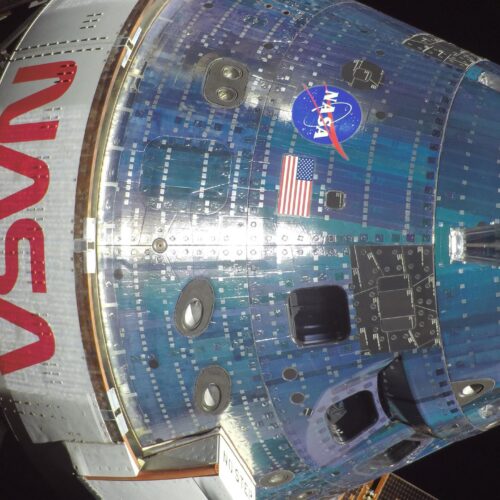
NASA has reshuffled its Artemis Moon program to give lunar lander makers SpaceX and Blue Origin more flexibility. That shifts more burden onto the Orion spacecraft, which Lockheed Martin builds. Orion must now handle backward flight, stronger acceleration, and a stretch in low-Earth orbit it was not designed for.
ចំណុចសំខាន់ៗ
- Starship will dock with Orion in Earth orbit and travel to the Moon together, so Orion has to fly backward.
- The European Space Agency's Service Module needs changed fuel tanks so liquid propellant does not flow to the wrong end.
- Acceleration during the Moon-bound burn could rise from about 0.1 to 0.15 g to roughly 0.8 to 1 g, in the opposite direction, so the structure must be recertified.
- Orion will spend about two weeks in low-Earth orbit, which brings heating concerns and more orbital debris risk, with a review due by January.
ហេតុអ្វីវាសំខាន់
The Artemis program is NASA's effort to return people to the Moon, and these changes affect both the schedule and the safety of the spacecraft that will carry astronauts there.
ប្រភពដើម
To make Moon landings easier, NASA is making life harder for Orion
Ars Technica · Nov 19, 22:40 KST
Read on Ars Technica ↗AI summarized the original article. Check the original for accuracy. Copyright belongs to Ars Technica.
បន្ថែមពីវិស័យនេះ
- NASA's Moon Plan Takes Shape After Starship Catch, but Key Questions Remain
SpaceX recovered its Starship rocket in mid-air last weekend, a big step toward NASA's Moon plans. NASA's Artemis III mission will now be a low-Earth orbit test, and the first crewed Moon landing moves to Artemis IV.
Ars Technica · Nov 21, 05:26 KST - Voyager Passes One Light-Day Out as Starship Nears Operational Use
This video covers recent deep space news, including Voyager's distance milestone and SpaceX's Starship. It is a roundup of updates from late 2026.
Scott Manley · Nov 21, 04:07 KST - Space data center chips may be hard to finance because lenders cannot repossess them in orbit
Space data centers face a financing problem: chips in orbit cannot be repossessed like chips on the ground. Lenders behind SpaceX's $40 billion chip deal reportedly asked that the chips not be used for its orbital data center plans, and it is unclear whether SpaceX agreed.
TechCrunch · Nov 21, 02:40 KST - SpaceX Lenders Reportedly Block Plans to Send Backing AI Chips to Space
SpaceX's lenders reportedly tried to stop Elon Musk from launching the AI chips backing a $43 billion debt package into space. The chips are meant to stay on Earth so lenders can take and sell them if SpaceX defaults. It is unclear whether this rule made it into the final documents.
Ars Technica · Nov 20, 23:15 KST