

Space · Article
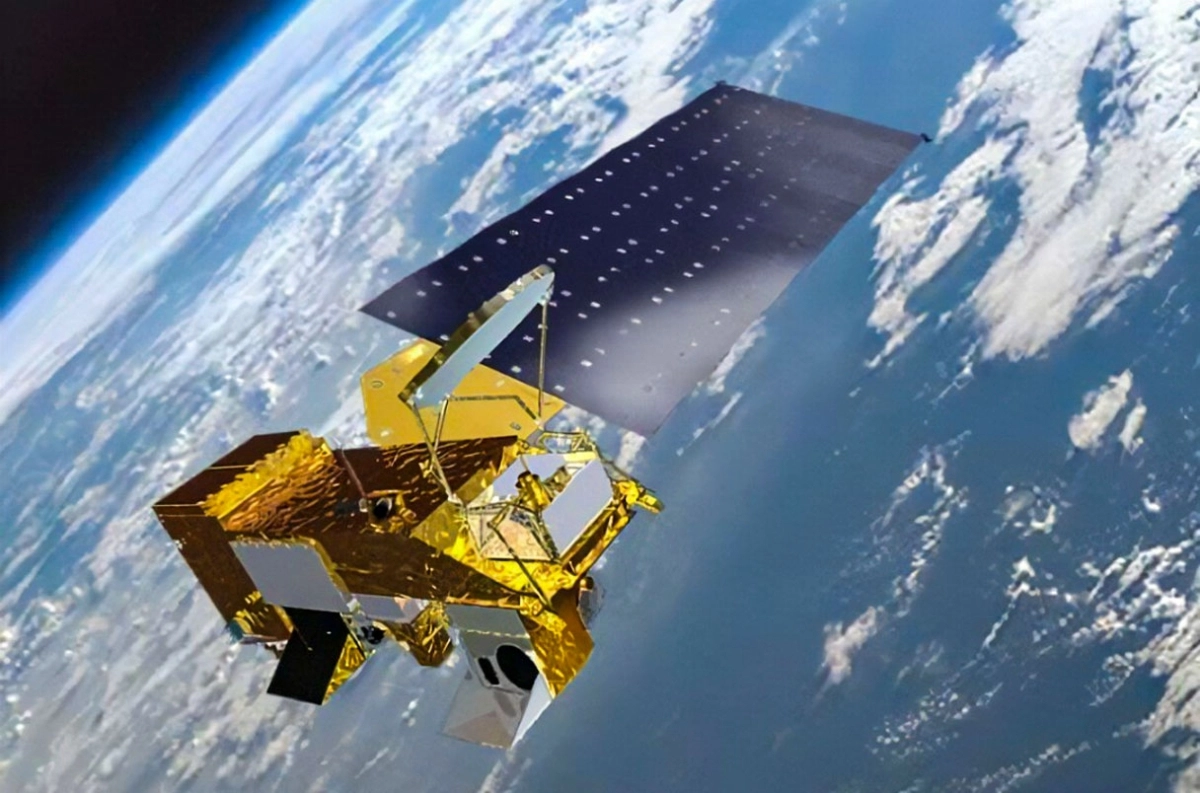
NASA's Terra Earth Satellite Ends 27-Year Mission After 100,000 Orbits
서울신문 ·
At a glance
NASA's Terra Earth-observing satellite is ending its 27-year mission. Launched in 1999, it orbited Earth more than 100,000 times and tracked changes in the air, land, oceans, and plant life. NASA plans to stop collecting data next month and shut the satellite down in January 2027.
Key points
- Terra was launched in 1999 and has circled Earth more than 100,000 times.
- It observed changes in the atmosphere, land, oceans, and vegetation.
- NASA will stop collecting data starting next month.
- The satellite is planned to be powered off in January 2027.
Why it matters
Terra's long record of Earth data helps scientists track how the planet is changing over time.
Original source
10만 바퀴 돈 지구의 눈…NASA 테라위성, 27년 대장정 끝
서울신문 · Nov 19, 13:53 KST
Read on 서울신문 ↗AI summarized the original article. Check the original for accuracy. Copyright belongs to 서울신문.
More from this field
- ESA Awards OHB €102M Contract to Build ClearSpace-1 Debris Removal Spacecraft
The European Space Agency (ESA) gave German satellite builder OHB a €102 million contract to build ClearSpace-1, a spacecraft that will capture and remove ESA's retired Proba-1 satellite. The contract starts the mission's build phase and locks in its new design and team.
European Spaceflight · Nov 19, 15:41 KST - Sophia Space Tests Orbital Computing Software on Kepler Satellites
Sophia Space has put its orbital computing software, SOOS, to work on several Kepler Communications data relay satellites. The test is the first step toward its goal of building computing infrastructure in orbit. Sophia says the satellites began talking to each other, and it already has a paying customer.
Payload · Nov 19, 14:00 KST - Satellite Captures 7 km Green Cloud Off Canada, Turns Out to Be Fish Sperm
A NASA Earth-observing satellite spotted a green cloud about 7 kilometers long off Vancouver Island's Salmon Beach in Canada earlier this year. Live Science reported that the cloud is milt, the sperm released by Pacific herring during their mass spawning.
지디넷코리아 · Nov 19, 10:39 KST - ULA Points to Fuel Supply, Not Engines, in Vulcan Launch Failure
ULA says a first look at flight data points to too little fuel reaching the BE-4 engines on Vulcan's booster, not a fault in the engines themselves. The rocket failed to reach orbit on November 15, 2026, losing 40 Amazon Leo satellites. The cause is not final yet.
Spaceflight Now · Nov 19, 06:11 KST