

Space · Article
Voyager 1 Reaches 1 Light-Day From Earth, First Human-Made Object to Do So
Naver Blog ·
At a glance
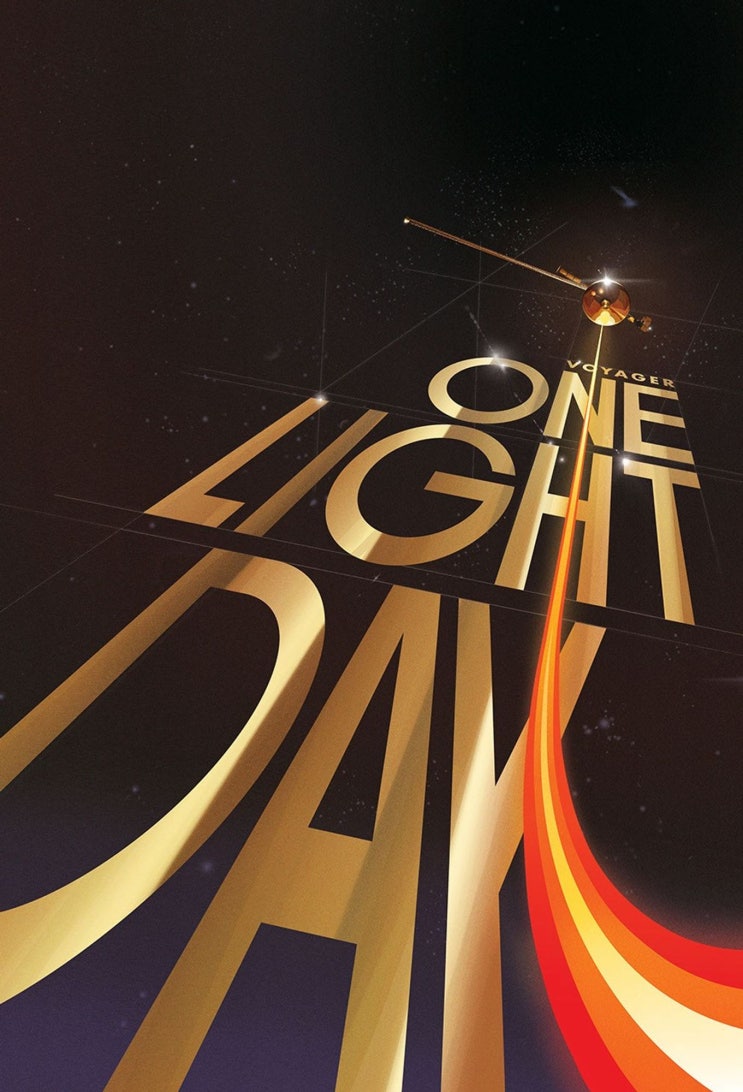
NASA's Voyager 1 probe reached a distance light takes one day to cover, about 25.9 billion km from Earth, on November 18. It is the first human-made object to get that far. The probe has also had a data problem, with radio signals arriving but no science data.
Key points
- Voyager 1 launched in September 1977 and reached 1 light-day from Earth on November 18, per NASA's calculations.
- A round trip of commands and replies takes about 48 hours because the signal needs about 24 hours each way.
- On November 14, NASA picked up Voyager 1's radio signal but received no science or engineering data.
- NASA is investigating the cause, and a similar data problem in 2023 was traced to the onboard computer.
Why it matters
It shows how far human spacecraft have traveled, and the data problem shows how fragile these missions have become.
Original source
49년을 날아갔는데 빛으로는 단 하루…보이저 1호, 인류 최초 ‘1광일’ 도달 : 네이버 블로그
Naver Blog · Nov 19, 19:35 KST
Read on Naver Blog ↗AI summarized the original article. Check the original for accuracy. Copyright belongs to Naver Blog.
Other coverage
More from this field
- NASA reshapes Artemis Moon plan, adding new strain on Orion spacecraft
NASA has reshuffled its Artemis Moon program to give lunar lander makers SpaceX and Blue Origin more flexibility. That shifts more burden onto the Orion spacecraft, which Lockheed Martin builds. Orion must now handle backward flight, stronger acceleration, and a stretch in low-Earth orbit it was not designed for.
Ars Technica · Nov 19, 22:40 KST - Google Books Blue Origin's New Glenn to Launch Its Orbital AI Satellites in 2029
Google said Blue Origin's New Glenn rocket will launch the first dedicated heavy payload for its Project Suncatcher, targeting the first quarter of 2029. Each satellite will carry Google's TPU chips and is meant to provide computing power similar to one data center rack. The launch is part of Google's research into whether networks of solar-powered satellites can expand machine learning computing in space.
Unite.AI · Nov 19, 22:30 KST - HEO Unveils Insights Next Tool for Tracking Activity in Space
Australian startup HEO unveiled Insights Next, a new tool that shows satellite images of objects in orbit in 3D. It lets users see what an object is doing, where its sensors point, and how its behavior changes. The platform is built on over 7,500 imaging missions covering 1,200 space objects.
Payload · Nov 19, 20:53 KST - ESA Awards OHB €102M Contract to Build ClearSpace-1 Debris Removal Spacecraft
The European Space Agency (ESA) gave German satellite builder OHB a €102 million contract to build ClearSpace-1, a spacecraft that will capture and remove ESA's retired Proba-1 satellite. The contract starts the mission's build phase and locks in its new design and team.
European Spaceflight · Nov 19, 15:41 KST