

Space · Article
Vulcan Launch Failure Likely Not Caused by BE-4 Engines, Early Data Suggests
Ars Technica ·
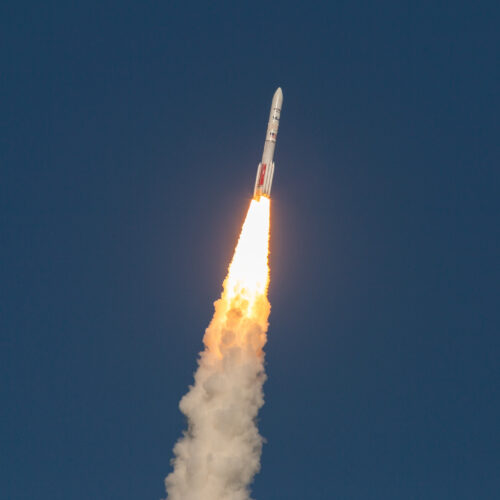
At a glance
ULA confirmed that Vulcan's return-to-flight launch failed early on, with the booster producing low performance and the rocket stage separating too low and too slow to reach orbit. The cause is still under investigation, and early sources point to the launch vehicle's fuel feed systems rather than the BE-4 engines themselves. The data is preliminary, so no firm conclusions can be drawn yet.
Key points
- ULA said the rocket lost telemetry and the mission about 10 minutes in, after low booster performance right after liftoff.
- The upper stage and solid rocket boosters worked normally during the flight.
- Two independent sources told Ars the problem likely started in the launch vehicle's systems that supply methane and liquid oxygen to the engines.
- One BE-4 engine may have produced less thrust after liftoff and never returned to full power, though this is not confirmed.
Why it matters
The Vulcan rocket carries national security and satellite launches, so a long grounding would hurt those missions and worsen the US launch shortage. The cause also matters for Blue Origin's New Glenn rocket, which uses a similar engine.
Original source
The data is very preliminary, but Vulcan failure may not be due to BE-4 engines
Ars Technica · Nov 18, 03:00 KST
Read on Ars Technica ↗AI summarized the original article. Check the original for accuracy. Copyright belongs to Ars Technica.
More from this field
- ULA Vulcan Rocket Fails on Amazon Leo Launch, Raising Pentagon Concerns
ULA's Vulcan rocket launched its first Amazon Leo mission on Sunday carrying 40 satellites, but an early problem with the booster caused the rocket to separate too slowly to reach orbit, and all the satellites were lost. The FAA has opened a mishap investigation. This is the second time Vulcan has had trouble this year.
Payload · Nov 18, 03:30 KST - Scott Manley Tries Joby's Air Taxi Simulator and Its Emergency Training
Scott Manley tried Joby Aviation's electric air taxi simulator, learning the flying procedures himself rather than just taking a joyride. He also had the instructor throw in failures, including a propulsion problem.
Scott Manley · Nov 18, 02:19 KST - Space Cargo Unlimited Unveils REV1 Reusable Reentry Vehicle for Orbit Missions
Space Cargo Unlimited unveiled REV1, a new reusable reentry vehicle designed to carry more mass to orbit and back. It was announced at Space Tech Expo in Bremen, Germany, and the first flight is targeted for 2030. The vehicle is built around the company's BentoBox platform for testing and making things in space.
Payload · Nov 17, 22:26 KST - Polish Startup Asynchronics Raises $3.1M to Make Space Digital-Twin Software Cheaper
Polish space software startup Asynchronics raised $3.1M in seed funding to make digital-twin software cheaper. A digital twin is a virtual copy of a spacecraft or part that engineers test before the real one flies. The company plans to grow its library of ready-made virtual components.
Payload · Nov 17, 22:09 KST