

Quantum · Article
Türkiye's TÜBİTAK Signs IQM Deal for 54-Qubit Radiance R3 Quantum Computer Due 2027
Quantum Computing Report ·
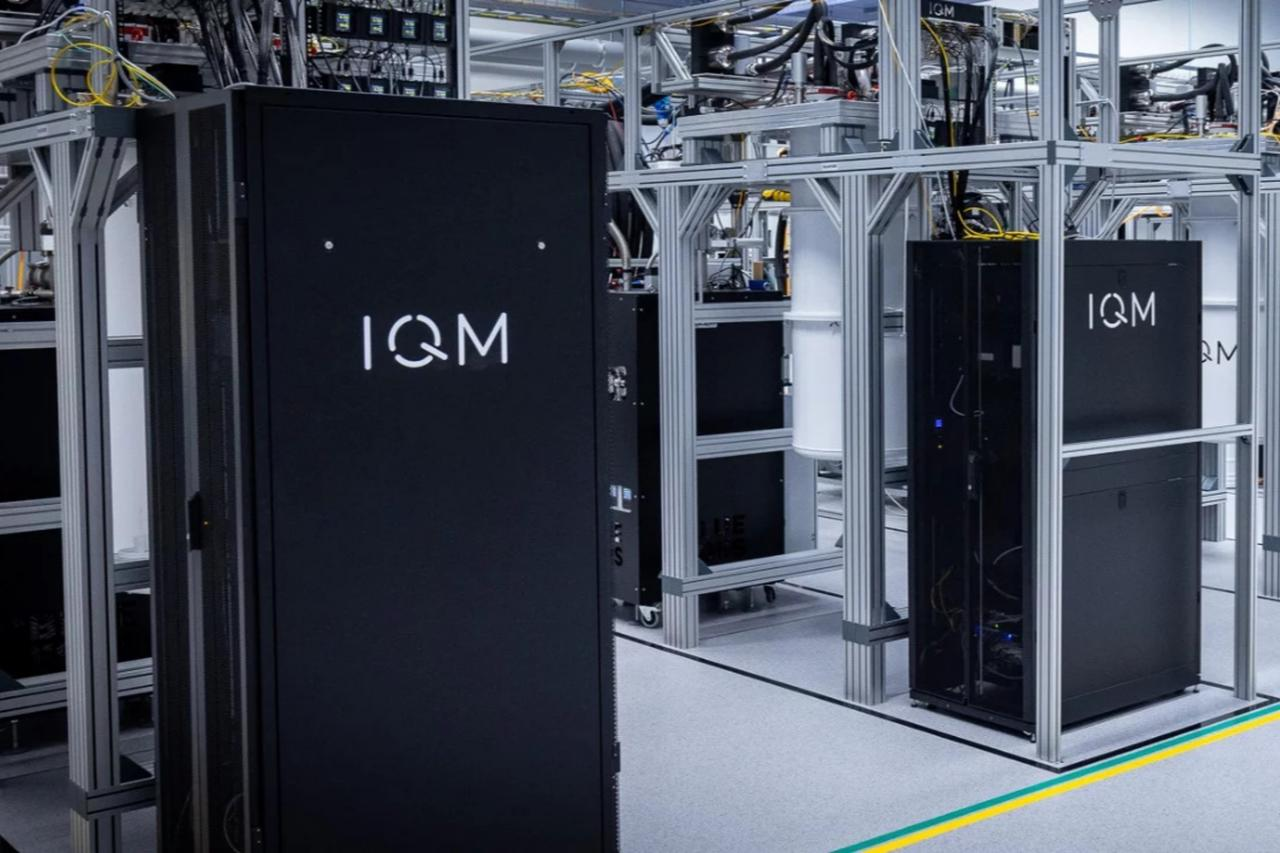
At a glance
Türkiye's TÜBİTAK research council has agreed to install a 54-qubit superconducting quantum computer from IQM, with commissioning planned for 2027. The machine will sit on-site and be fully owned by TÜBİTAK, so the country keeps control of the hardware and data. It will connect to the existing supercomputing system and serve universities, research institutes, and companies.
Key points
- Türkiye's TÜBİTAK signed a deal with IQM to set up a 54-qubit quantum computer at its national research facility.
- The system will run in Türkiye under the national name ARF Quantum and is scheduled to start in 2027.
- TÜBİTAK will own the machine outright, so it does not depend on foreign cloud services.
- The computer will be used for AI, cybersecurity, materials research, drug discovery, and logistics.
Why it matters
It shows a country building its own quantum computing capacity instead of renting it from overseas cloud providers.
Original source
Türkiye Signs Agreement with IQM Quantum Computers to Deploy 54-Qubit Radiance R3 System at TÜBİTAK in 2027
Quantum Computing Report · Nov 17, 11:03 KST
Read on Quantum Computing Report ↗AI summarized the original article. Check the original for accuracy. Copyright belongs to Quantum Computing Report.
More from this field
- Alice & Bob Links Cat-Qubit Processors to Slurm 26.11 via QRMI at SC26
Alice & Bob showed at SC26 how its cat-qubit quantum processors connect to NVIDIA's open-source Slurm 26.11 job scheduler through a shared interface called QRMI. The work came from a year-long effort with the UK's STFC Hartree Centre and open-source contributors from IBM and Pasqal. The link lets quantum hardware plug into standard supercomputer schedulers without custom software for each site.
Quantum Computing Report · Nov 17, 11:42 KST - Quantinuum Shows Nexus Runtime Linking Quantum Jobs with Slurm and OpenQSE at SC26
At the SC26 supercomputing conference, Quantinuum showed how its Nexus platform and Hybrid Workflow Runtime link quantum programs with the schedulers that run supercomputers. The runtime lets classical computers keep working while remote quantum jobs wait in line. In a joint test with RIKEN, quantum-sampled candidate configurations gave lower calculated ground-state energies than classical-only selection with the same number of final configurations.
Quantum Computing Report · Nov 17, 11:15 KST - IQM and MQSC Show Open-Source Slurm 26.11 Scheduling for Quantum Processors
IQM Quantum Computers announced support for the open-source Slurm 26.11 release, which lets supercomputing centers schedule its quantum processors like other computing resources. The work was done with Munich Quantum Software Company, and the software it uses is called the MQSC Orchestrator. IQM engineers plan to test the integration in staging environments as host centers upgrade to Slurm 26.11.
Quantum Computing Report · Nov 17, 10:41 KST - NEC and IBM Japan Test Hybrid Quantum Key and Post-Quantum Encryption Setup
NEC and IBM Japan tested a setup that combines quantum key distribution (QKD, a way to share encryption keys using quantum physics) with post-quantum cryptography (encryption designed to resist future quantum computers). Both key sources were run in parallel inside one proxy, which is a relay placed in front of existing communication systems. The test ran from July to September 2026 and did not require changes to existing company applications.
Quantum Computing Report · Nov 17, 10:22 KST